American Asphalt: The Dragon and the Coast
Analyzing the technical intensity of US 129 and the scenic cruising of CA Route 1.
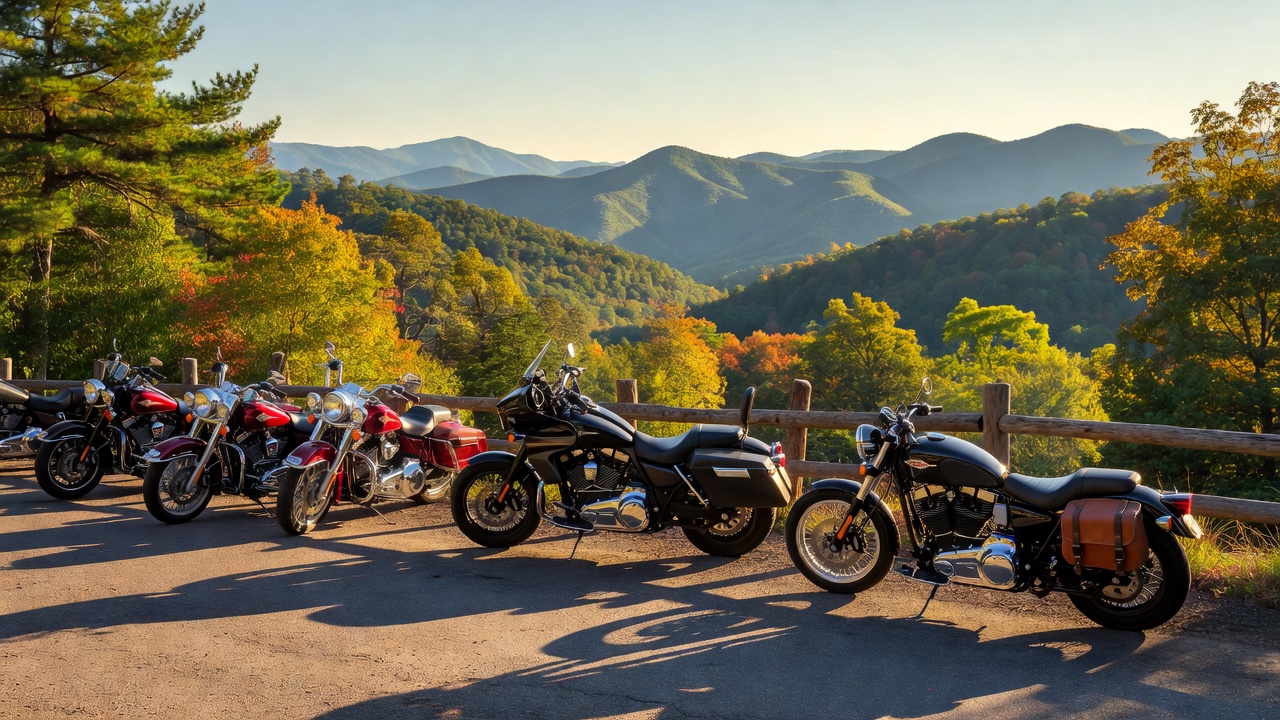
The United States offers a scale of riding unmatched almost anywhere else in the world. The sheer distance between coasts provides distinct biomes, each presenting different asphalt characteristics. For motorcyclists, the USA features two entirely different philosophies of riding: the hyper-focused, corner-carving intensity found in the Appalachian Mountains, and the sweeping, oceanic grandeur of the West Coast.
In this guide, we evaluate two of America's most famous roads: The Tail of the Dragon at Deals Gap, and the Pacific Coast Highway through Big Sur.
Tail of the Dragon (US 129)
Straddling the border of North Carolina and Tennessee, the Tail of the Dragon is arguably the most famous motorcycle road in North America. Its reputation is built purely on corner density. There are no intersecting roads, no driveways, and commercial traffic is heavily restricted. It is 11 miles of pure, uninterrupted cornering.
The Terrain
The road surface is excellent, repaved frequently to accommodate the massive influx of riding enthusiasts. The corners vary heavily in camber; some are perfectly banked, pulling you in naturally, while others feature off-camber drops that demand strict line selection. Blind corners are the norm here due to heavy forestation.
Bike Suitability
Sportbikes and supermotos are in their element on the Dragon. The rapid left-right transitions favor light weight and aggressive geometry. However, heavy baggers frequent the route; riders just need to be highly conscious of their floorboard clearance to avoid levering the rear tire off the ground.
Pros and Cons
- Pro: Unmatched concentration of quality corners in a short distance.
- Pro: Fantastic riding culture at the Deals Gap Motorcycle Resort.
- Con: Extreme police presence. Speed limits are strictly enforced, and reckless riding is penalized heavily.
- Con: Can attract riders riding beyond their limits, leading to frequent weekend accidents that shut down the road.
Pacific Coast Highway (CA Route 1)
The PCH, specifically the stretch running through Big Sur from Carmel down to San Simeon, is the quintessential American cruise. Hanging precariously on the cliffs above the Pacific Ocean, it provides a rhythmic, sweeping ride.
The Terrain
Unlike the Dragon, the PCH is about flow. The corners are long, wide-radius sweepers that allow you to roll on the throttle smoothly while taking in the endless blue horizon. The tarmac is generally good, though the constant battle with coastal erosion means you must watch for uneven patching and gravel washouts, especially near cliff edges.
Traffic and Pacing
This is a major tourist artery. Recreational Vehicles (RVs) are common, and passing zones are limited. The key to enjoying the PCH is patience. It is not a race track; it is a scenic corridor. Morning fog (the marine layer) is common and can drop visibility to near zero, heavily dampening the road surface.
Pros and Cons
- Pro: Spectacular coastal vistas, with spots to view wildlife (like the elephant seals at Piedras Blancas).
- Pro: Ideal for large touring bikes and cruisers designed for long, comfortable miles.
- Con: Highly susceptible to road closures from landslides, particularly after heavy winter rains. Always check Caltrans before riding.
- Con: Frustratingly slow traffic behind large tourist vehicles.
Practical Preparation for the USA
Range anxiety is a real factor on American roads. While the Dragon is short, the surrounding Cherohala Skyway and PCH stretches can leave you far from premium fuel. Plan fuel stops diligently if your bike's range is under 150 miles. Furthermore, weather can shift dramatically; packing layers is essential even in summer, as coastal winds on the PCH can induce hypothermia if you are only wearing mesh gear.