Italy's Finest Asphalts: Alpine Peaks to Coastal Cliffs
A detailed breakdown of riding the Stelvio Pass and the Amalfi Coast.
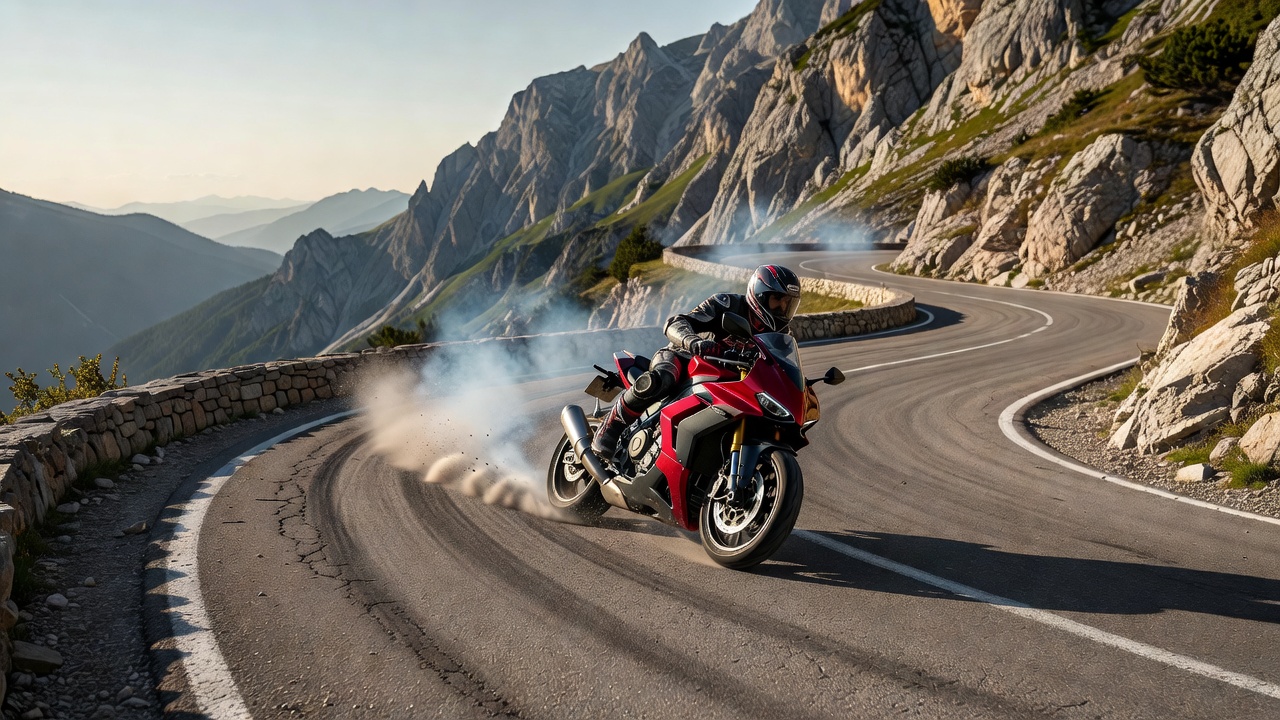
Italy is a country that feels intrinsically linked to the culture of motorcycling. It is the birthplace of legendary marques renowned for their performance and passion. The landscape matches the machinery; from the jagged peaks of the Dolomites to the sun-baked coastlines of the south, Italy offers riding experiences that challenge a rider’s technical ability while overloading their visual senses.
However, riding in Italy requires preparation. The environment dictates specific demands on your motorcycle, your gear, and your mental fortitude. In this guide, we dissect two of the country's most famous routes: the dizzying heights of the Stelvio Pass and the breathtaking, albeit claustrophobic, SS163 Amalfi Drive.
The Stelvio Pass (Passo dello Stelvio)
Located in northern Italy bordering Switzerland, the Stelvio Pass is an engineering marvel and a true pilgrimage for motorcyclists. Ascending the classic northern face from Prato allo Stelvio involves navigating 48 numbered tornanti (hairpin turns) stacked relentlessly up the side of the mountain.
The Terrain
The road surface on the Stelvio is generally well-maintained, though extreme winter conditions mean frost heaves and minor surface degradation are common early in the season. The corners are exceptionally tight; many require slipping the clutch in first gear, especially if encountering oncoming traffic—which you frequently will. The gradient is steep, demanding heavy trail braking on the descent and precise throttle control on the climb.
Bike Suitability
Nimble, torque-heavy machines excel here. A middleweight naked bike or an adventure-tourer with wide bars provides the leverage needed to flick the bike back and forth. Heavyweight cruisers or stretched sportbikes with limited steering lock will find the tightest hairpins physically exhausting and mechanically awkward.
Pros and Cons
- Pro: Achieving the summit offers profound satisfaction and views of the Ortler Alps that are second to none.
- Pro: Bratwurst stands at the summit provide a brilliant atmosphere populated entirely by other riders and drivers.
- Con: Immense traffic in peak summer. Caravans, cyclists, and overzealous sports cars can ruin the flow of a ride.
- Con: Prone to unpredictable weather. It can snow in mid-July.
The Amalfi Coast (SS163)
Trading high-altitude drama for sheer cliffside majesty, the SS163 runs from Sorrento to Salerno. It is roughly 50 kilometers of asphalt carved directly into the limestone cliffs overlooking the Tyrrhenian Sea. It is famously beautiful, and notoriously difficult to navigate in high season.
The Terrain
The road is narrow. Often, it feels barely wide enough for a single modern bus, yet it handles two-way traffic. The corners are blind, wrapping around the jagged coastline, requiring constant vigilance and a readiness to brake. The tarmac can be polished smooth by decades of traffic, reducing grip levels significantly, particularly if morning coastal dew or light rain is present.
Traffic and Pacing
Riding the Amalfi Coast is rarely about speed; it is an exercise in fluidity and spatial awareness. The most successful rides here happen in the early hours of the morning (before 8 AM) or during the shoulder seasons (late September, October, or April). During these windows, you can link the sweeping, undulating curves with a beautiful rhythm. In mid-August, you will spend your time paddling the bike forward in a queue behind a tourist coach.
Pros and Cons
- Pro: Visually unmatched. Riding past the terraced lemon groves of Positano is a bucket-list experience.
- Pro: Abundant stopping points in picturesque coastal villages (Amalfi, Ravello) for world-class espresso.
- Con: Terrifying traffic dynamics. Local scooter riders treat the road like a racetrack, passing blindly.
- Con: Very poor grip when wet due to the polished limestone dust mixed into the asphalt.
Practical Preparation for Italy
Before tackling these roads, ensure your motorcycle's cooling system is in peak condition. Slow-moving traffic on steep inclines will test your radiator fan. Additionally, double-check your brake pads and fluid; descents from alpine passes will cook old brake fluid rapidly.
Finally, embrace the local rhythm. Italian driving can seem chaotic to outsiders, but it generally operates on a system of assertiveness and flow. Hold your line, remain predictable, and enjoy some of the finest motorcycling territory on earth.