Spain's Sweeping Tarmac: Pyrenees to Andalucia
A rider's analysis of the N-260 and the legendary A-397 Ronda road.
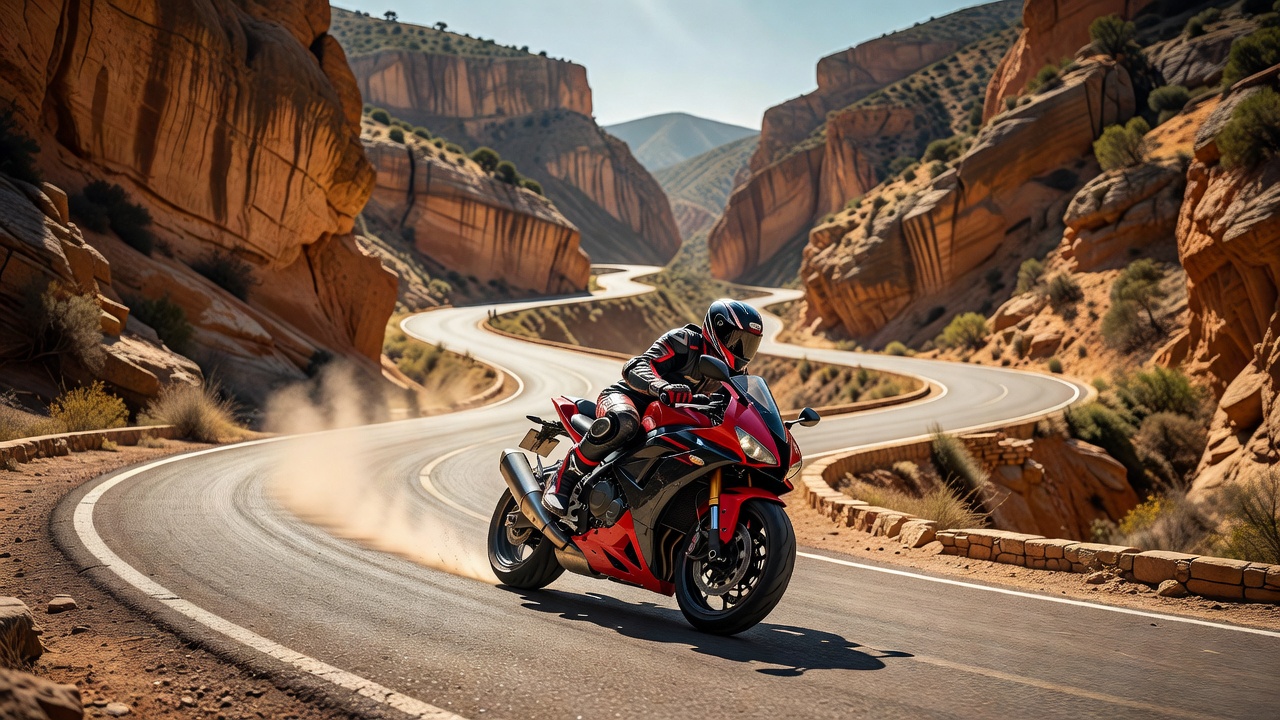
Spain is a paradise for motorcyclists, heavily favored by European riders for its seemingly endless network of immaculately paved, lightly trafficked roads. The country benefits from massive infrastructure investments, resulting in blacktop that feels like a racetrack spread across vast mountain ranges. From the cool, green peaks of the Pyrenees in the north to the scorched, olive-lined canyons of the south, Spain delivers an unparalleled riding experience.
We take a closer look at two definitive Spanish routes: the monumental N-260 across the Pyrenees and the infamous A-397 road to Ronda.
The N-260 (Eje Pirenaico)
The N-260 is a colossal undertaking. Running roughly parallel to the French border from the Mediterranean at Portbou all the way into Aragon, it is not a single mountain pass but an entire highway dedicated to cornering. It strings together multiple valleys, gorges, and peaks.
The Terrain
The defining characteristic of the N-260 is variety. Sections near Sort feature wide, sweeping arcs with perfect visibility and racetrack-quality asphalt. Other stretches, particularly near the Collada de Toses, narrow down into tighter, more technical hairpins. The grip is generally phenomenal, utilizing high-friction tarmac designed to withstand winter snows.
Bike Suitability
Adventure tourers and sport-touring machines are the absolute kings here. You need comfort for long days in the saddle combined with enough dynamic capability to exploit the endless curves. The sheer distance involved makes highly aggressive supersports physically punishing over a multi-day transit.
Pros and Cons
- Pro: Endless variety; you can ride for days and barely hit a straight road.
- Pro: Extremely low traffic density outside of peak holiday weekends.
- Con: Weather in the high Pyrenees can be volatile, with sudden drops in temperature and heavy rain.
- Con: Speed enforcement is increasing on the wider, faster sections.
The A-397 Ronda Road
Dropping down to the deep south of Spain in Andalucia, the A-397 connects the glitzy coastal town of Marbella with the historic, cliff-top city of Ronda. It is roughly 47 kilometers of pure riding bliss that ascends quickly from sea level into the Sierra Bermeja mountains.
The Terrain
The A-397 is famous for its fast, flowing nature. The corners are beautifully cambered and generally feature wide radii, allowing riders to maintain significant momentum. The road surface is superb, baking in the hot Andalucian sun, which provides exceptional mechanical grip for modern motorcycle tires.
Traffic and Pacing
Because of its reputation and proximity to the Costa del Sol, it is a magnet for performance cars and sports bikes, particularly on Sunday mornings. The pacing is fast. You must be heavily aware of your mirrors for faster local riders, while also watching out for slower tourist traffic pulling out from scenic viewpoints.
Pros and Cons
- Pro: Some of the best, most predictable sweeping corners in Europe.
- Pro: Year-round riding potential thanks to the warm southern climate.
- Con: Heavy police presence on weekends due to the road's popularity with fast riders.
- Con: High winds at the upper elevations can push lighter bikes around.
Practical Preparation for Spain
Heat management is critical in Spain, particularly in Andalucia. Hydration packs are a necessity in the summer months when temperatures can easily exceed 35°C (95°F). For the Pyrenees, a versatile layering system is required, as you can sweat in the valleys and shiver at the summits on the same afternoon. Fuel is generally plentiful, but always plan ahead in the remote stretches of the N-260.